Philosophy
|
Isabel Henderson Kindergarten is an inclusive nature-based community kindergarten for children 3-5 years of age and their families. Underpinned by inquiry-based reaching and learning, the kindergarten program is designed to support the holistic development of all children, valuing diversity, equity and sustainable practices. Within a language rich environment, children are given opportunities to become active and curious participants in their learning, with collaboration and the building of positive relationships as an overarching focus for children's learning, development and wellbeing.
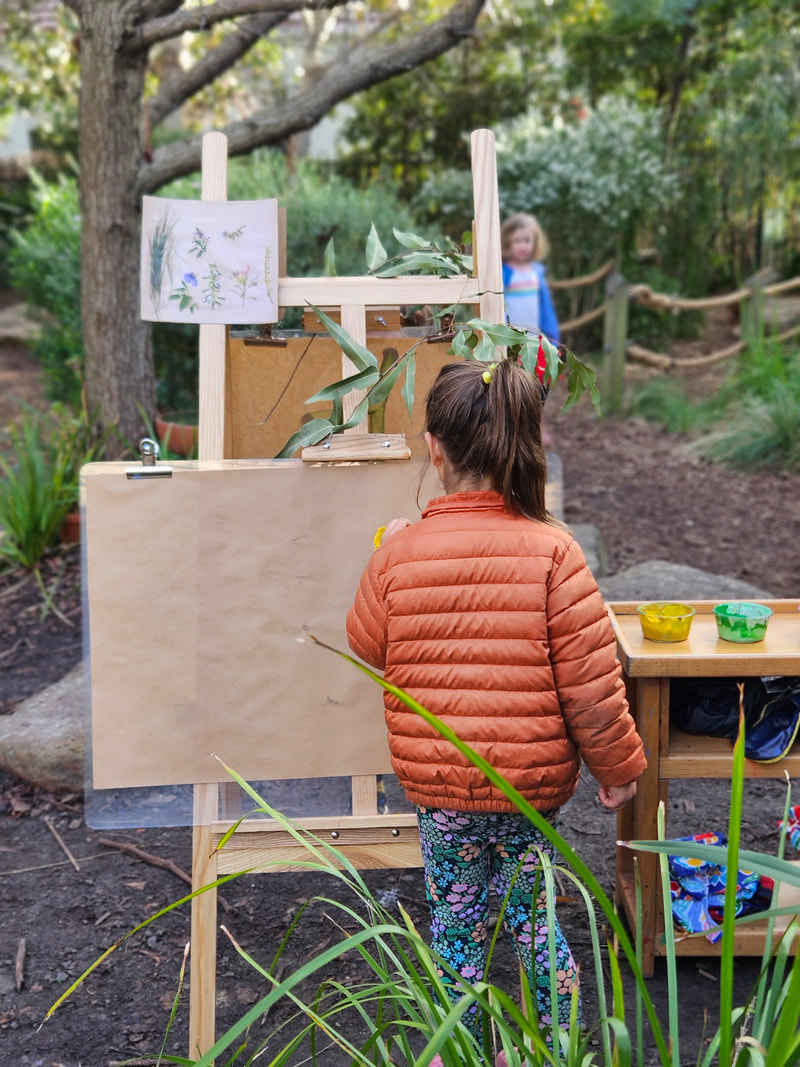
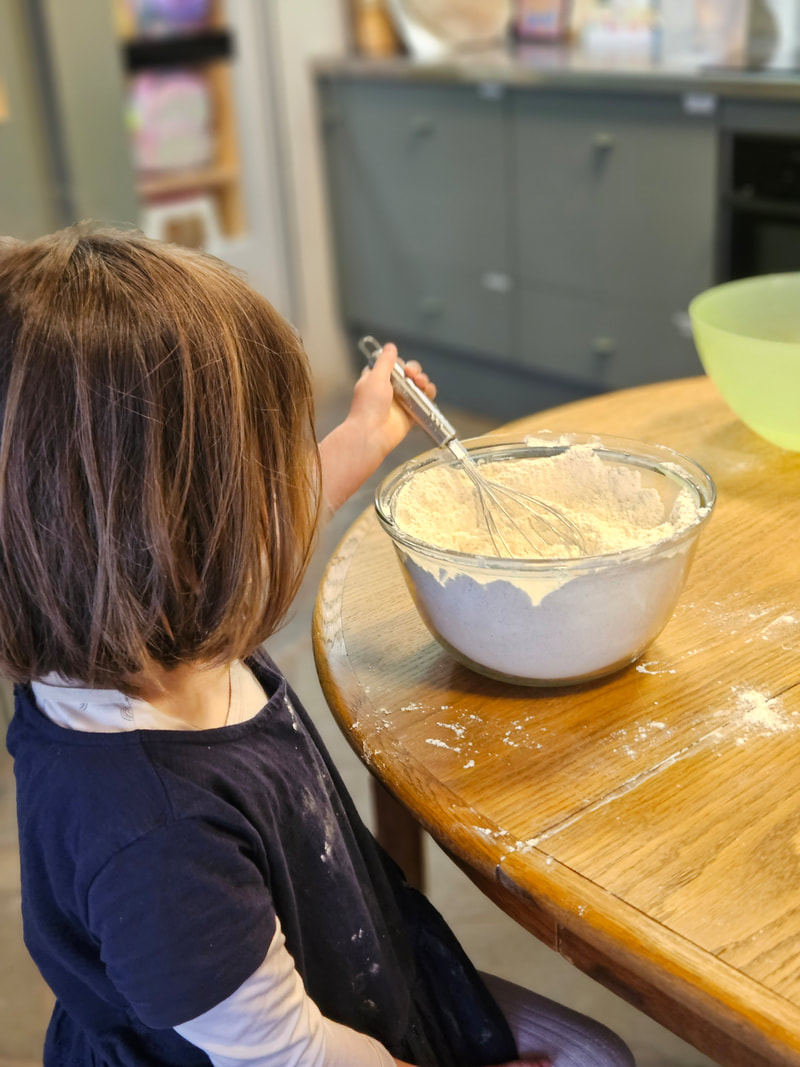
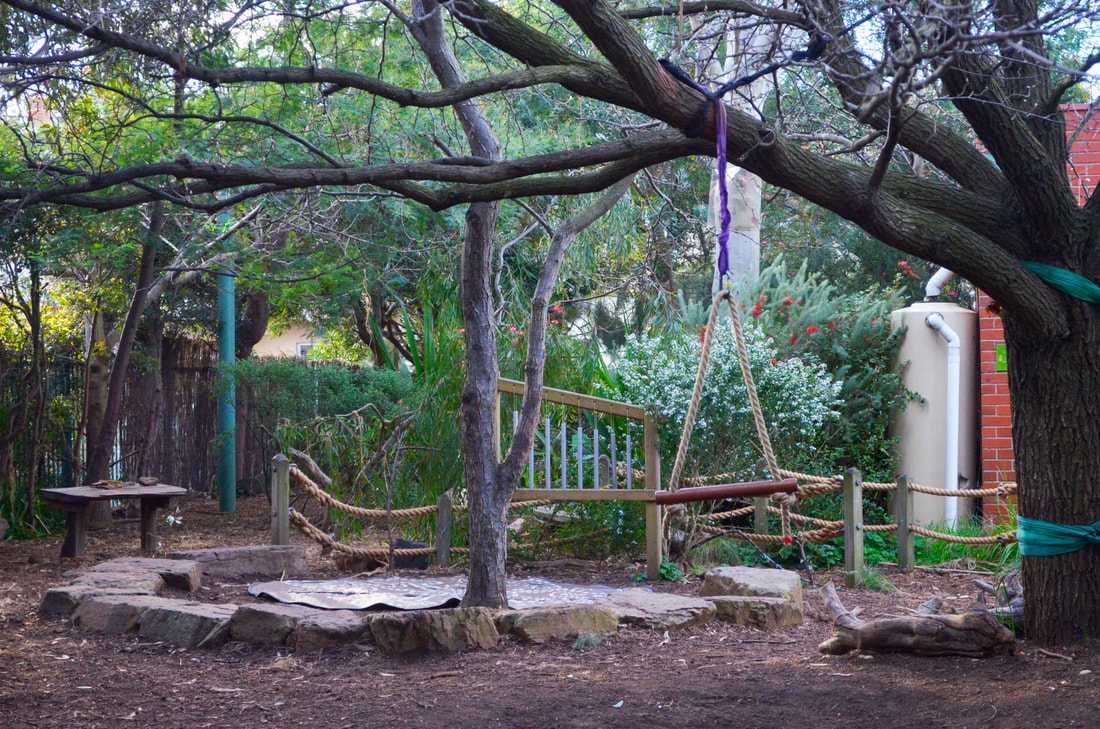
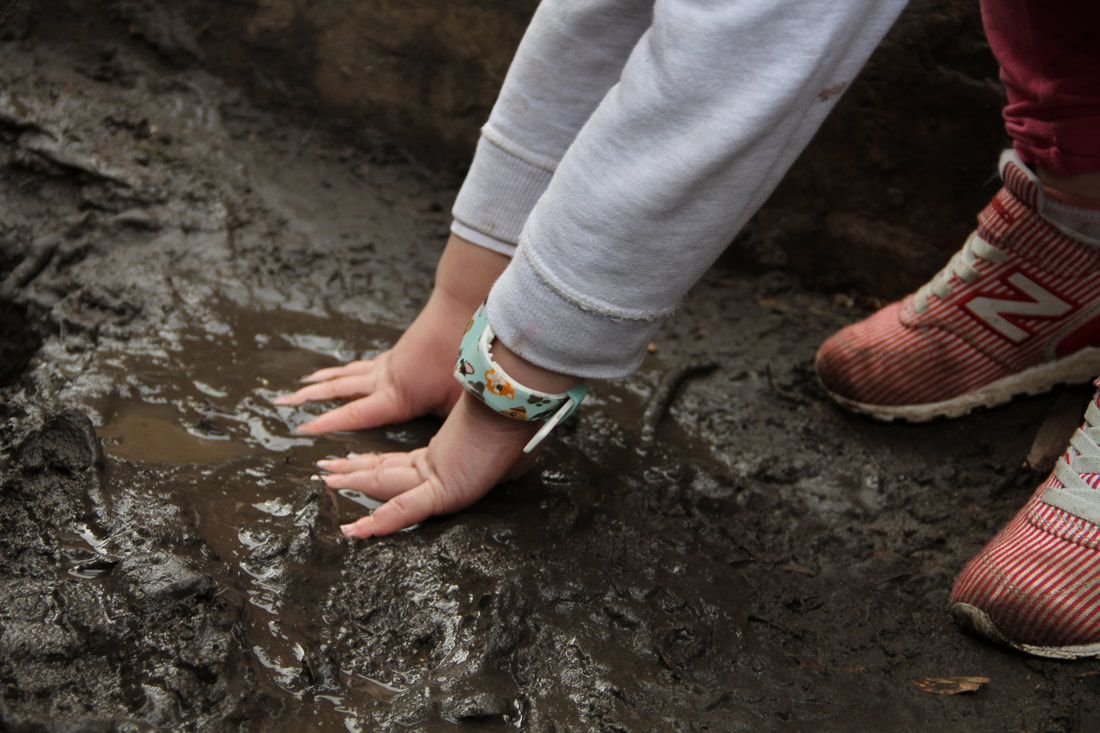
WE BELIEVE CHILDREN LEARNING THROUGH OPEN ENDED PLAY AND EXPLORATION Children benefit from engaging in periods of uninterrupted open ended play. Through play children can spend time testing ideas and theories, with staff working alongside guiding. enhancing and scaffolding learning. Play expands children's thinking and understanding about themselves and the world around them. by making connections and thinking critically as they navigate social relations and everyday interactions with peers and adults. WE BELIEVE CHILDREN HAVE RIGHTS AND RESPONSIBILITIES AS ACTIVE CITIZENS OF THEIR COMMUNITY Children are active citizens of our community and are provided with meaningful opportunities to participate in their learning. We acknowledge children's capacity for voice and all matters affecting them and acknowledge their rights to be safe, secure, happy and engaged in constructive meaningful play. At IHK children are afforded genuine spaces in which they can flourish as unique individuals. This is an important part of promoting each children's identity and sense of belonging to our kindergarten community. WE BELIEVE CHILDREN BENEFIT FROM SPENDING TIME IN NATURE Our natural environment is fundamental to our approach at IHK. We believe children benefit from experiencing seasonal change and periods of unstructured physical play in nature. Emphasis is placed on children engaged in risky play, investigating and exploring their environment with a deep respect and appreciation for learning about indigenous knowledge and caring for country. WE BELIEVE FAMILIES AND COMMUNITY PLAY AN INTEGRAL ROLE IN CHILDREN'S LEARNING AND DEVELOPMENT. Our program offers multiple pathways for families to contribute to the IHK community. Children benefit from educators and parents working together, sharing insights, knowledge and understanding of the different language, cultures, traditions, values and lived experiences which families bring. Our centre is welcoming and inclusive, with spaces for families to feel safe and secure. Educators adopt responsive and sensitive approaches which promote continuity and consistency in learning and development. We recognise families as children's first teachers. |
|